The gut barrier is an integrated, collaborative effort. The big players:
1. The mucus layer (your first line of defense)
This gel-like layer coats the intestinal lining. It helps keep microbes at a respectful distance and provides a habitat for beneficial bacteria. Think of it as the velvet rope.
2. The epithelial lining (the gatekeepers)
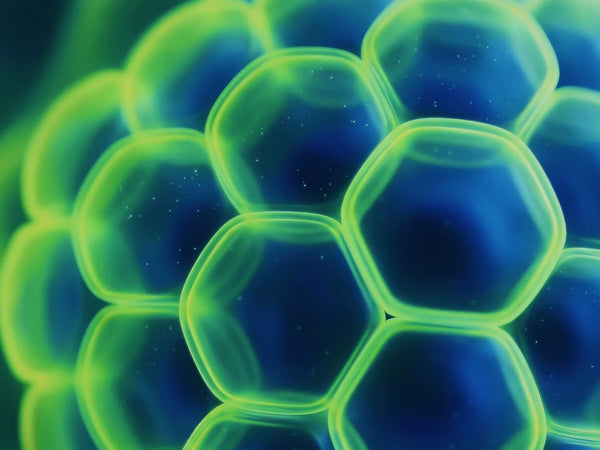
A single layer of cells forms the intestinal wall. These cells absorb nutrients and communicate with the immune system. They also turn over quickly, meaning your body expects wear and tear and builds in continuous renewal.
3. Tight junctions (the adjustable zipper)
Between these cells are protein complexes known as tight junctions. Rather than simply opening or closing like a zipper, they regulate the epithelial barrier's selective permeability. Their function is largely influenced by cytokines, microbial metabolites, nutrients, pathogens, mechanical stress, and other environmental inputs.
4. The immune layer (the bouncers)
A huge portion of your immune system lives in and around the gut. It’s sampling what comes through, learning what’s safe, and reacting when something looks suspicious.
Hidden within the lining of your gut is an entire immune command center called GALT. It’s constantly sampling what comes through, food, microbes, and environmental exposures, deciding what’s safe and what’s not. Its job isn’t just to fight invaders, but to build tolerance to the things you encounter every day. In many ways, it’s where your immune system learns the difference between friend and foe.
5. The microbiome (the neighborhood)
Your microbes help maintain mucus integrity, train immune responses, and produce metabolites that influence barrier function.
So when we talk about “the gut barrier,” we’re talking about a living interface between you and your entire environment, from food and microbes to stress, travel, sleep, and beyond.