Spring allergies are more than exposure
Every year, as winter fades and the flowers are in full bloom, many people notice a similar pattern. Their eyes begin to itch. Their nose runs. Sneezing and tension headaches become more common.
It is one of the most common questions people ask as the seasons change: why do my allergies start to act up in spring?
Most people are told that spring allergies are due to increased pollen in the air. However, this only explains part of the story.
Pollen alone does not determine whether someone experiences seasonal allergies. If it did, everyone exposed to pollen would react the same way.
Some people move through spring without symptoms at all, while others experience the same allergy flare every year. The difference lies in how the immune system interprets and responds to the environment.
Seasonal allergies are not just about exposure. They are about recognition, signaling, and immune sensitivity.

Why are allergies worse in spring?
Spring is a time of major environmental change. As plants begin their reproductive cycle, they release large amounts of pollen into the air.
Tree pollen is usually the first major trigger of seasonal allergies, followed by grasses later in the season. Because pollen grains are so small and lightweight, they can easily travel through the air and enter the nose, throat, and lungs as we breathe.
But pollen itself isn’t harmful. It’s simply plant reproductive material. So why do some people react so strongly to it while others barely notice it?
The difference lies in how the immune system interprets what it encounters.
Your immune system is constantly scanning the environment and deciding what deserves a response and what can safely be ignored. Most particles we breathe in every day are treated as harmless.
But in people with seasonal allergies, pollen is mistakenly flagged as a threat. That signal triggers an immune response designed to remove the particle from the body.
Sneezing, mucus production, and itchy eyes are all part of that process, the body’s attempt to flush out something it believes doesn’t belong there.
How the immune system responds to pollen
To understand seasonal allergies, it helps to look at what happens inside the body when pollen is inhaled.
When pollen enters the nose or airways, it first encounters the body’s mucosal immune system. These tissues line areas like the nose, lungs, eyes, and gut and act as one of the body’s first points of contact with the outside world.
If pollen is mistakenly interpreted as a threat, immune cells begin sending signals that trigger a defensive response.
Part of that response involves the release of histamine, a chemical messenger that plays a central role in allergic reactions.
Histamine increases blood flow, stimulates mucus production, and activates nerve endings in the nasal passages and eyes. These reactions help the body try to flush out the particle as quickly as possible.
That’s why histamine is linked to many of the familiar symptoms of spring allergies, including:
- Sneezing
- Runny nose
- Nasal congestion
- Itchy eyes
- Throat irritation
In other words, many allergy symptoms are actually the body’s attempt to physically remove something it believes may be harmful.
The role of the mucosal immune system
A big part of the allergy puzzle involves the body’s mucosal immune system.
Mucosal tissues line the surfaces where the body meets the outside world, including the nose, sinuses, lungs, and digestive tract. These tissues form a complex interface made up of epithelial barriers, mucus layers, immune cells, and beneficial microbes.
Together, they act as both a physical boundary and an immune sensing system, helping the body interpret what it encounters in the environment.
Under normal conditions, mucosal immune tissues are constantly sampling particles like pollen, microbes, and food compounds. Specialized immune cells evaluate these exposures and help the body determine whether they are harmless or require a response.
When this system is functioning well, it promotes immune tolerance, meaning the body recognizes many environmental exposures as safe and does not mount an unnecessary immune reaction.
But when the signals coming from these mucosal surfaces become disrupted, that tolerance can become less stable. The immune system may begin interpreting otherwise harmless environmental particles as meaningful threats.
This shift in signaling is one of the biological processes that contributes to seasonal allergy responses.
The surrounding environment plays an important role in shaping these mucosal systems. Air quality, pollution, microbial diversity, and aspects of diet and lifestyle can all influence how well these barrier and immune signaling networks function.
Your immune system doesn’t react in isolation. It responds to the signals it receives from the body’s protective surfaces and the environment around you.

Why some people develop seasonal allergies and others don’t
One of the biggest questions in allergy science is why some people struggle with seasonal allergies while others living in the same environment barely react at all.
A lot of the difference comes down to something called immune tolerance.
Immune tolerance is the immune system’s ability to recognize common environmental particles, like pollen, dust, or pet dander, and understand that they aren’t dangerous. When this system is working well, the body can encounter these particles without creating a strong immune response.
The good news is our immune tolerance isn’t fixed. It can change over time.
Several factors can influence how the immune system interprets what it encounters, including:
- Microbial exposure early in life
- Environmental pollution
- Changes in microbiome diversity
- Diet and broader immune signaling patterns
- The health of the body’s mucosal barriers
When tolerance shifts, particles that were once ignored may begin triggering immune reactions. This is one reason seasonal allergies sometimes appear suddenly in adulthood, even in people who never experienced them growing up.
Supporting the body’s natural barrier defenses
Because the mucosal immune system plays such an important role in how the body interprets environmental particles, many scientists now focus on the health of these protective barriers when studying immune resilience.
When these barriers are functioning well, they help the immune system filter and manage particles like pollen before they trigger a strong reaction. This can help the body maintain a more balanced response to everyday environmental exposures.
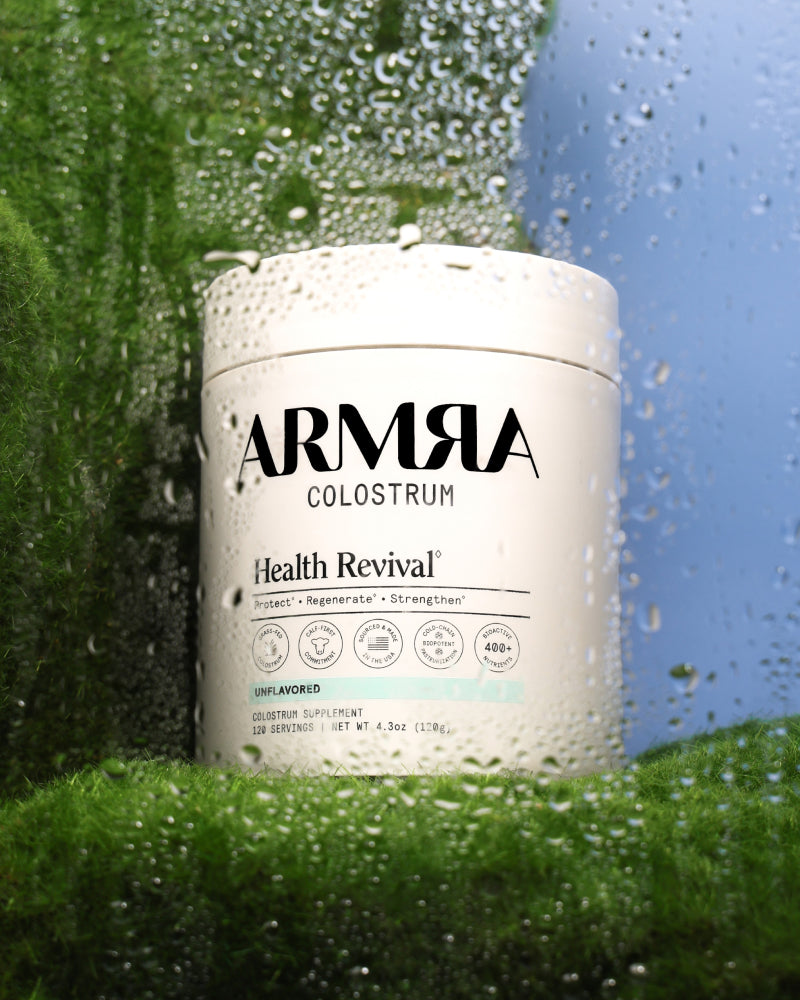
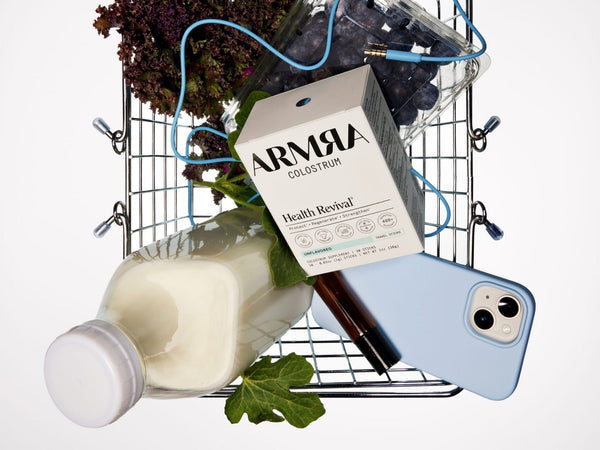
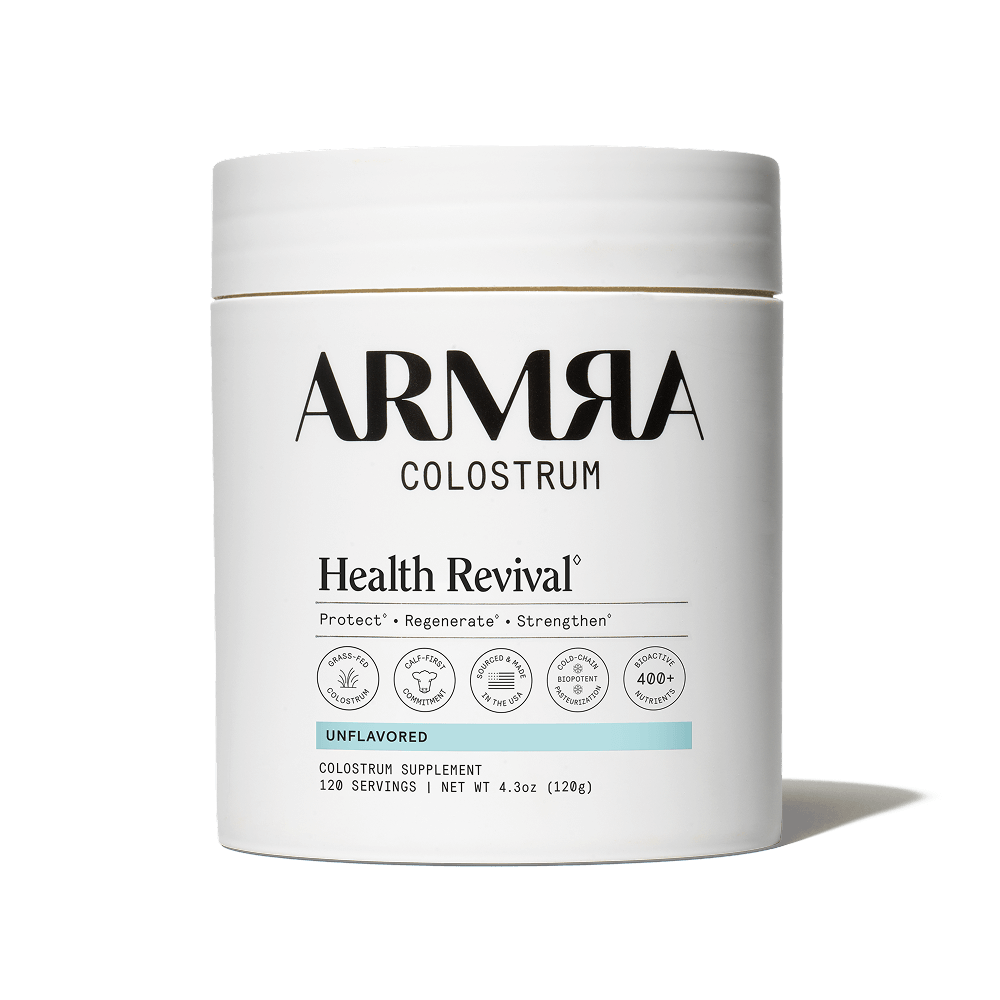
One of the most biologically rich sources of compounds that interact with mucosal biology is colostrum.
Colostrum contains more than 400 naturally occurring bioactive compounds, including antimicrobial peptides, signaling molecules, growth factors, and immunoglobulins that interact with mucosal surfaces and the body’s immune defenses.
Rather than forcing the immune system to react more aggressively, this type of nutritional support focuses on supporting the barrier tissues and biological environments where immune recognition begins.
When these systems are well supported, the immune system is better able to maintain balanced responses to environmental changes.
Building immune resilience year round
While pollen levels ride during the spring, symptoms often appear when the immune system reacts to those particles as if they were a threat. That reaction may trigger familiar symptoms like sneezing, congestion, and itchy eyes.
How strong that response becomes depends on several factors, including your immune sensitivity, mucosal barrier health, and environmental exposures.
Understanding your biology shifts the conversation away from simply “fighting allergies” and toward supporting the biological systems that help the body interpret environmental signals more accurately
The immune system isn’t trying to make your life difficult, it’s trying to protect you. And when the body’s barrier systems are well supported, the immune system is better able to maintain proportionate responses as environmental conditions change throughout the year.


ARMRA Colostrum Unflavored Jar
ARMRA Colostrum Vine Watermelon Jar
ARMRA Colostrum Blood Orange Jar
ARMRA Colostrum Peach Persimmon Jar
ARMRA Colostrum Performance Revival Jar
Disclaimers
*This content is for educational purposes only and reflects general nutrition science, not product-specific claims. The presence of these bioactives in ARMRA Colostrum™ does not imply that the product provides the health benefits described.
*These statements have not been evaluated by the Food and Drug Administration. This product is not intended to diagnose, treat, cure, or prevent any disease.