1. Use morning light as a daily circadian reset
Step outside within 30 minutes of waking. Even winter daylight is 25–100× brighter than indoor light.
Upgrade: Pair with a short walk.
2. Take a midday “light break”
Step outside briefly after lunch to reinforce circadian timing.
Upgrade: Expose forearms or face. Skin contains light-sensitive cells that help register daytime.
3. Let your body see sunset
Sunset is a powerful biological cue.
Upgrade: Avoid screens for 30 minutes around dusk to preserve melatonin timing.
4. Shift evenings into night mode
After sunset:
- Reduce overhead lighting
- Use warm, low-intensity lamps
- Use beeswax candles if tolerated
- Switch phones to red-light mode
- Wear amber/red light–blocking glasses
These cues support nighttime epithelial renewal.
5. Maintain 35–45% indoor humidity
Humidity is a mucosal operating condition, not just comfort.
Upgrade: Run a humidifier in your bedroom or workspace for 1–2 hours morning and night.
6. Use red light therapy strategically
Red-spectrum light can complement winter mornings.
Best timing: morning or early afternoon
Avoid: late evening use
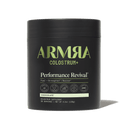
7. Take ARMRA Colostrum™ consistently
ARMRA Colostrum™ is a bioactive whole-food colostrum concentrate that supports the mucosal barrier, your frontline interface for every breath, bite, and environmental cue.
Take 4+ scoops daily to stay resilient during winter’s altered light environment.