



Winter isn’t a decline, it’s a return to biological precision

1 / 2
'Tis the season of barrier intelligence
Epithelial integrity is the winter foundation
Benefits of cold on whole-body health

Add your deal, information or promotional text


Winter is a double-edged sword: it asks more of your body, and in that demand, your biology adapts and strengthens.
Winter is a double-edged sword: it asks more of your body, and in that demand, your biology adapts and strengthens.
Winter is often talked about as a season of less. Less light, less warmth, less energy. But our deeper biology tells an entirely different story. Winter is not a fading or a dimming. It’s a seasonal reorganization, guided by environmental cues the human body evolved alongside for millennia.
Before we built climate-controlled homes and lived beneath artificial light, winter communicated directly with the human body through two powerful messengers: cold and darkness.
These elements acted as informational cues, not threats, guiding the body into patterns that supported resilience, conservation, and renewal. Today, modern life dulls many of these cues, but your biology still recognizes them.
When we reintroduce cold and darkness, even gently, the body responds with remarkable clarity:
This is winter biology, a seasonal intelligence hiding in plain sight.
Cold and darkness both place unique demands on the body’s barriers, especially the mucosal and epithelial layers.
These surfaces experience:
Strong, well-supported mucosal and epithelial terrain isn’t just about comfort, it’s essential for the flow of information and defense throughout the body.
Epithelial cells line nearly every surface that comes into contact with the outside world; your nose, throat, lungs, skin, and gut. These cells are always renewing themselves, and winter conditions can increase stress on these surfaces, which may increase turnover demands.
In winter, your epithelial barriers need:
This is why supporting these tissues throughout winter is especially important. They’re working harder, renewing faster, and relying on steady biological input to stay strong.
Cold exposure benefits aren’t just about mental toughness or trend-driven wellness practices. Cold is one of the oldest forms of hormetic stress, a brief, controlled challenge that encourages adaptive responses.
1. Brown fat activation: winter’s built-in energy generator
Cold exposure supports the conversion and activation of brown adipose tissue, a metabolically active form of fat rich in mitochondria, the tiny “power plants” inside your cells.
Brown fat activation supports:
It acts as the body’s internal wood stove, creating heat, burning calories, and fueling cellular health.
2. Cold stress hormesis is a cellular tune-up
As noted above, hormesis is the idea that a little bit of stress can stimulate the body’s built‑in adaptation systems. So, when the body encounters cold, like on a morning walk, micro-stress signals tell cells to adjust their function.
Cold supports:
Rather than overwhelming the system, gentle cold can sharpen responsiveness.
3. Mucosal renewal and cold stress
Naturally, we spend more time indoors in winter. But in heated, low-humidity environments, we lose many of the natural signals our biology depends on. Gentle cold exposure helps reintroduce those cues and can support several important barrier functions:
Reintroducing cold as a biological cue helps your barriers stay aligned with the season your body evolved for.
Just as cold activates metabolic pathways, darkness activates our timekeeping pathways. The circadian rhythm is the body’s master clock, orchestrating everything from our sleep to repair, digestion, temperature, and hormone cycles.
In winter, darkness is not a drawback. It’s a deep biological correction.
1. Melatonin is more than a sleep hormone
Longer nights increase natural melatonin signaling in the evening. Beyond sleep, melatonin is involved in cellular protection, mitochondrial function, and circadian alignment.
Winter darkness can be associated with:
These shifts help the body conserve energy where appropriate and redirect resources toward renewal.
2. Circadian recalibration happens through prolonged darkness
Long nights can seem dull, but in reality they act as a seasonal recalibration for our body.
Historically, winter darkness signaled:
Your biology expects these cues. So when you honor them and sync with earlier nightfall through dimmer evenings with reduced screen-time, the circadian rhythm aligns.
Circadian rhythm changes in winter also influence immune readiness. Many immune functions follow a daily rhythm, and nighttime is the body’s prime repair window for mucosal surfaces.
When your circadian rhythm is synchronized to your body’s internal processes, these tissues receive more efficient support for:
Winter activates ancient biological pathways: cold stress hormesis, brown fat activation, and circadian recalibration. Those pathways lean on strong, well-supported mucosal and epithelial barriers.
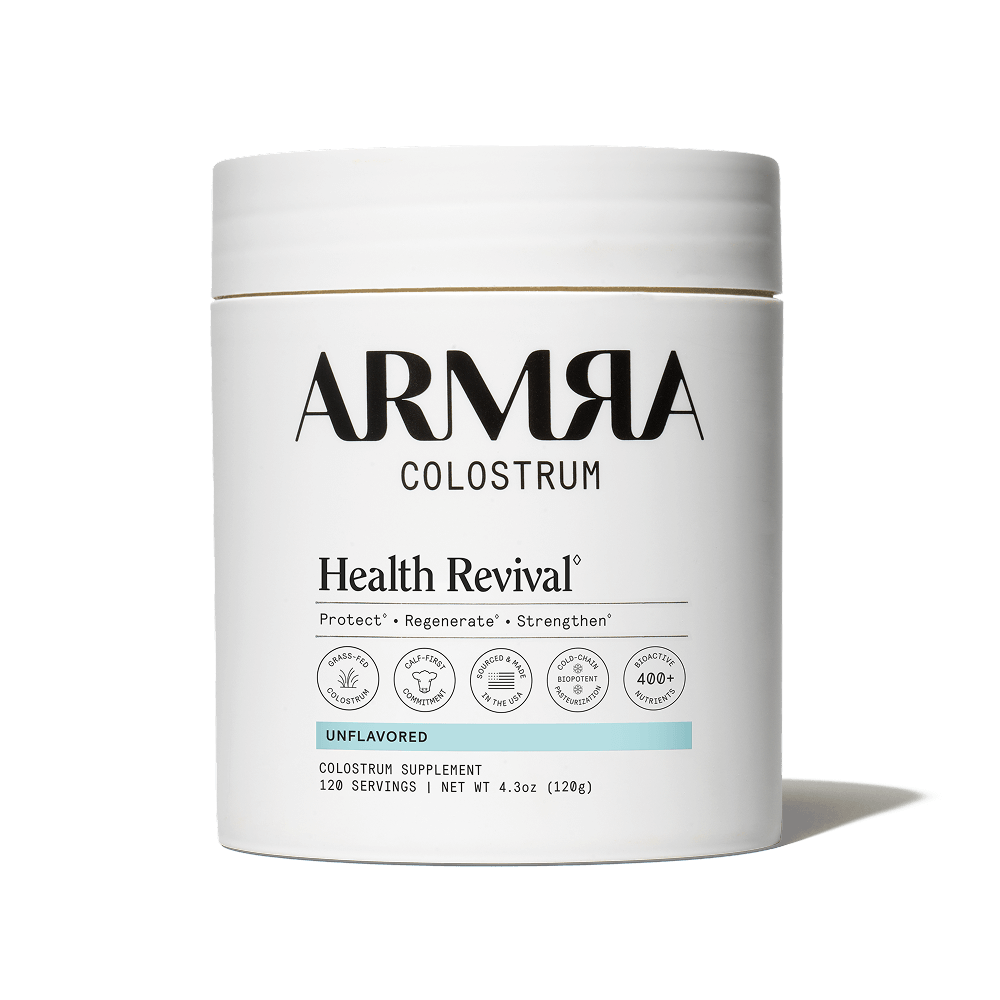
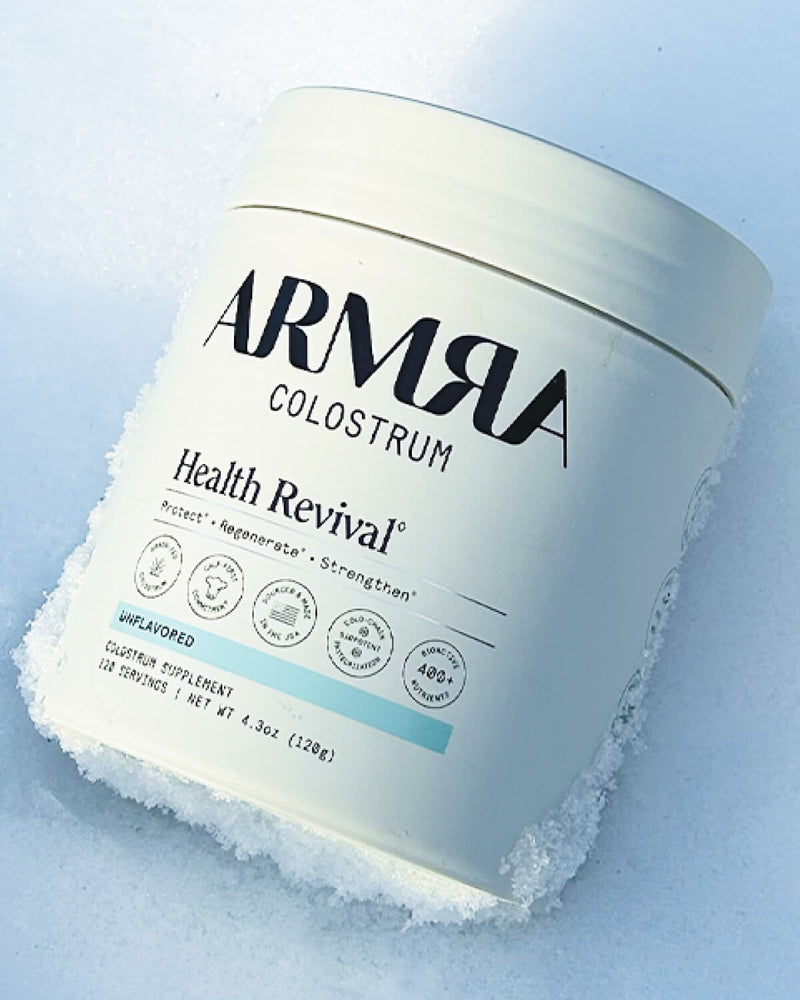
This is where ARMRA Colostrum™ enters the story, not as an addition, but as a continuation of winter’s intelligence.
Colostrum is nature’s first blueprint for barrier construction and renewal. ARMRA Colostrum™ provides 400+ bioactive nutrients that support:
1. Epithelial regeneration
ARMRA Colostrum™ contains naturally occurring growth-supportive molecules, including naturally occurring growth factors (e.g., IGF-1, EGF) found in colostrum, which are involved in normal cellular turnover and epithelial maintenance.
2. Tight junction integrity
Tight junctions help epithelial cells remain organized and selective. Colostrum supports the integrity of these structures, contributing to gut barrier strength and mucosal stability.
3. Mucosal immunity
The mucosal immune system is the body’s first line of interaction with the environment. ARMRA Colostrum™ provides bioactive nutrients that help support normal mucosal immune function at these surfaces.
4. The “winter companion” effect
As cold and darkness engage ancient renewal pathways, colostrum nourishes the tissues carrying out that work.
It supports:
Not because winter is harsh, but because winter is biologically active.

"Drink more water" is the oldest advice in wellness. It's also the most incomplete.
WRITTEN BY: ARMRA® EDITORIAL TEAM

Energy drinks are everywhere. But, what feels like energy is actually your body spending something it doesn't have.
WRITTEN BY: ARMRA® EDITORIAL TEAM


Your secret to becoming stronger, faster, and more resilient.
WRITTEN BY: ARMRA® EDITORIAL TEAM
Spoiler alert: real, lasting energy starts at the cellular level.
WRITTEN BY: ARMRA® EDITORIAL TEAM

Lush layers for inside-out revival.
WRITTEN BY: TESSA KAUPPILA

Cold and creamy, with a citrus finish.
WRITTEN BY: TESSA KAUPPILA


An immune-first, gut-deep look at hair growth, shedding, and why internal signaling matters more than surface solutions.
WRITTEN BY: ARMRA® EDITORIAL TEAM

Intestinal permeability explained through biology, not fear, and the barrier-first approach that supports long-term r...
WRITTEN BY: ARMRA® EDITORIAL TEAM

The biology behind seasonal allergies and why your immune system reacts the way it does.
WRITTEN BY: ARMRA® EDITORIAL TEAM
Sip into something transformative.
WRITTEN BY: TESSA KAUPPILA
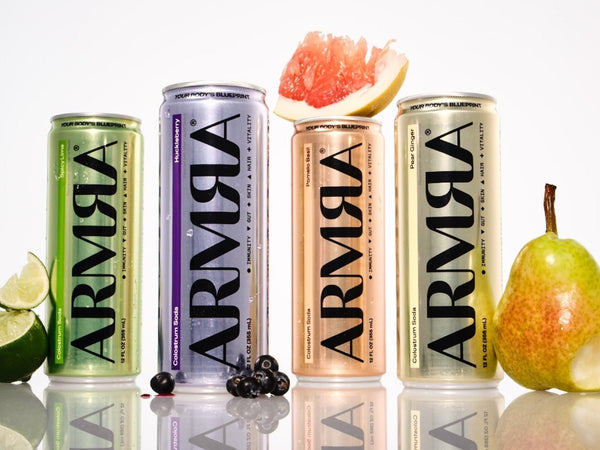
Not a better soda. A stronger system. Your body’s blueprint, now in a can.
WRITTEN BY: ARMRA® EDITORIAL TEAM

Your immune system doesn’t need to be pushed harder. It needs the balance and coordination that allow it to respond w...
WRITTEN BY: ARMRA® EDITORIAL TEAM
Most supplements deliver ingredients. ARMRA Colostrum™ delivers bioactive intelligence.
WRITTEN BY: ARMRA® EDITORIAL TEAM

Heart coherence rhythms for stepping back into momentum, IRL.
WRITTEN BY: SARAH MURPHY

A science-backed look at why colostrum is biologically distinct from milk, and why its intelligence still matters today.
WRITTEN BY: ARMRA® EDITORAL TEAM

Fiber is everywhere. But according to ARMRA® founder Dr. Sarah Rahal, the real question isn’t how much you’re getting...
WRITTEN BY: ARMRA® EDITORIAL TEAM

A playlist designed to support regulated nervous system flow and steady daily vitality.
WRITTEN BY: SARAH MURPHY

Why the body’s first line of defense is also its first line of intelligence.
WRITTEN BY: ARMRA® EDITORIAL TEAM
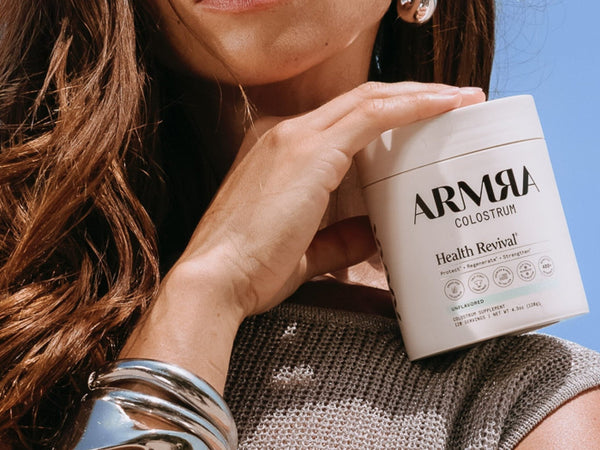
We asked Mara Roszak, celebrity hairstylist and founder of ROZ Hair, to share the daily routines that keep her steady...
WRITTEN BY: KELSEY ABKIN

Breakfast fuels the body, but sunlight helps switch digestion and metabolism into daytime mode. Circadian biology sho...
WRITTEN BY: ARMRA® EDITORIAL TEAM

How rhythm, sound, and seasonal cues guide the nervous system, and why momentum follows.
WRITTEN BY: SARAH RAHAL, MD

Why digestion, hormones, and cellular energy must work together for metabolism to function smoothly.
WRITTEN BY: ARMRA® EDITORIAL TEAM
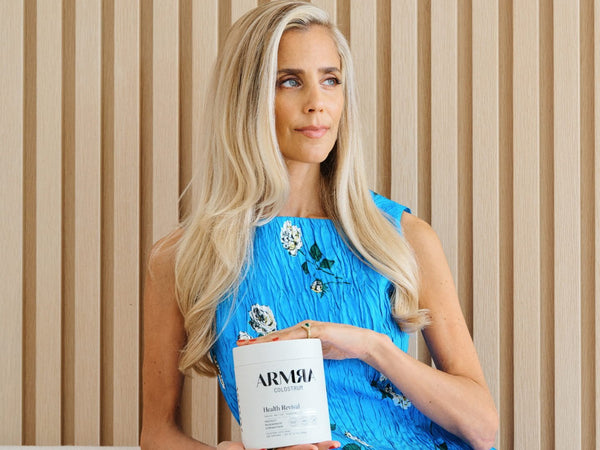
Peptides are everywhere. But according to ARMRA® founder Dr. Sarah Rahal, biology rarely works as simply as the trend...
WRITTEN BY: ARMRA® EDITORIAL TEAM

Why bloating isn’t just about food: the role of gut integrity in digestive comfort.
WRITTEN BY: ARMRA® EDITORIAL TEAM
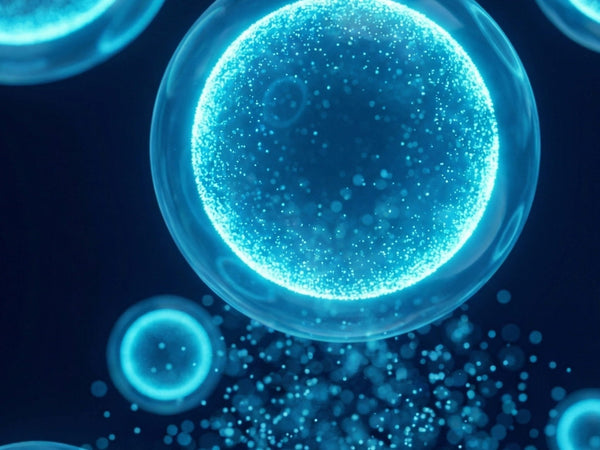
Why health begins with communication at the cellular level.
WRITTEN BY: ARMRA® EDITORIAL TEAM

How you protect colostrum determines whether it’s powerful or potentially pointless.
WRITTEN BY: ARMRA® EDITORIAL TEAM

Short month. Big energy. Our coast-to-coast community showed up in February.
WRITTEN BY: TESSA KAUPPILA

Spice, patience, and a little ceremony.
WRITTEN BY: KELSEY ABKIN

A classic comfort drink, served the way biology prefers it.
WRITTEN BY: KELSEY ABKIN


Best paired with an on-the-go ARMRA® elixir.
WRITTEN BY: TESSA KAUPPILA

Consider this a power pour.
WRITTEN BY: TESSA KAUPPILA

What “structured water” really means and how your body creates it.
WRITTEN BY: ARMRA® EDITORIAL TEAM

Learn what quantum entanglement reveals about system-wide communication in biology, and why coordinated signaling sup...
WRITTEN BY: ARMRA® EDITORIAL TEAM

Understanding the growth factors that guide muscle repair and metabolic health.
WRITTEN BY: ARMRA® EDITORIAL TEAM

Dr. Rahal built ARMRA® to bring the tool that saved her life into the hands of millions.
WRITTEN BY: ARMRA® EDITORIAL TEAM

Feeling bloated isn’t just about what you eat. It’s about how your gut communicates, protects, and adapts.
WRITTEN BY: ARMRA® EDITORIAL TEAM

Dr. Rahal shares her favorite science-backed daily practices for true vitality.
WRITTEN BY: ARMRA® EDITORIAL TEAM

Feeling overstimulated and undercharged? You’re not burnt out; you’re biologically disconnected.
WRITTEN BY: ARMRA® EDITORIAL TEAM
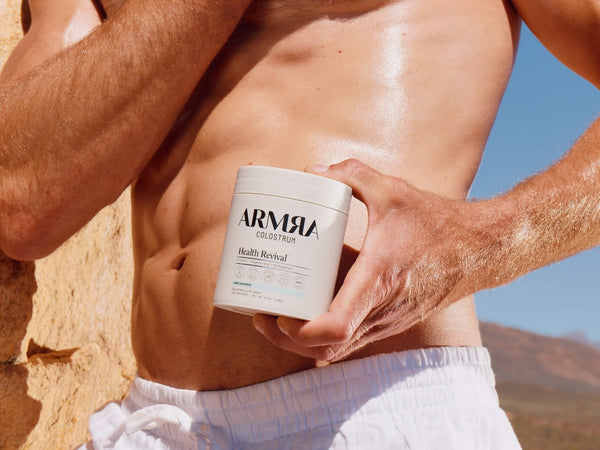
Your gut is more than a digestive organ. It's one of the body’s major command centers.
WRITTEN BY: ARMRA® EDITORIAL TEAM

Most people think immunity lives in the blood. The truth is, it begins at the surface.
WRITTEN BY: ARMRA® EDITORIAL TEAM

Your body is talking. The science of feeling in sync starts with listening.
WRITTEN BY: ARMRA® EDITORIAL TEAM

These microscopic messengers don’t just support your cells. They teach them how to thrive.
WRITTEN BY: ARMRA® EDITORIAL TEAM

Dr. Sarah Rahal answers one of the questions she hears most.
WRITTEN BY: SARAH RAHAL, MD
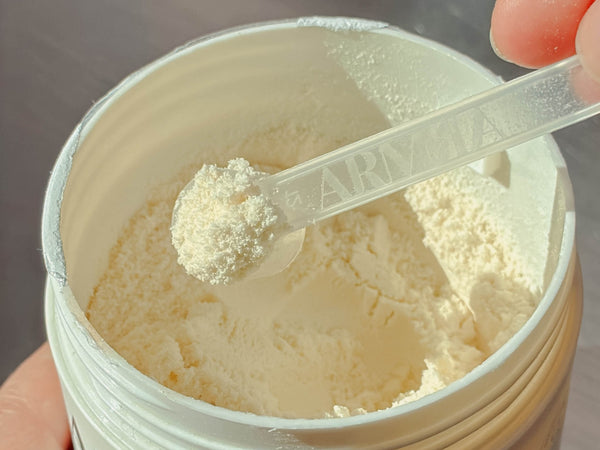
Colostrum is one of nature’s most misunderstood whole-food inputs. Here’s the truth behind the myths and why ARMRA Co...
WRITTEN BY: ARMRA® EDITORIAL TEAM

Why artificial light indoors can stress your biology long before you step outside.
WRITTEN BY: ARMRA® EDITORIAL TEAM
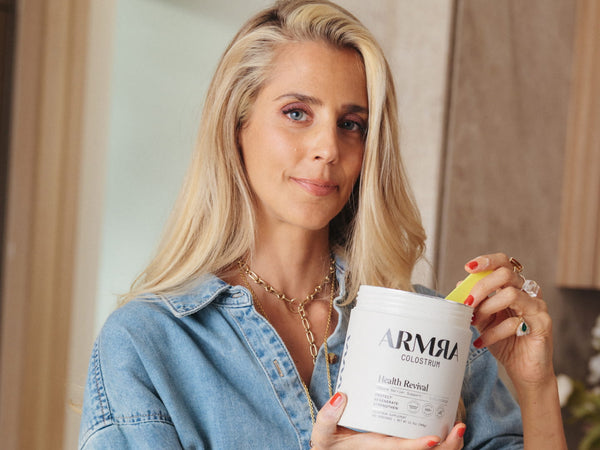
ARMRA® Founder & CEO Dr. Sarah Rahal on how light shapes the nervous system, timing, and resilience.
WRITTEN BY: SARAH RAHAL, MD