Winter skin dullness is more than meets the eye
You’ve tried thicker creams, richer serums, and more frequent moisturizing, yet your skin still looks flat and tired through winter. That’s because the root of winter dullness isn’t just on the skin.
Lackluster winter skin often reflects changes in the mucosal and epithelial barrier systems that influence hydration flow, lipid signaling, microbiome balance, and renewal rhythm. These internal systems act like a behind-the-scenes control center; when they’re stressed or dehydrated, the surface reflects it quickly.
Colder air, reduced humidity, altered light exposure, and seasonal circadian shifts change how your skin barrier functions. The result isn’t just dryness, but a muted tone, uneven texture, and loss of luminosity that topical products alone struggle to address.
To restore winter radiance, it helps to understand how your barrier actually works, and why glow is built from the inside out.

The four-layer barrier framework: how your winter skin actually functions
Barrier science is not one layer. It’s four interconnected systems that work in unison to keep your skin hydrated, elastic, and radiant.
1. The mucosal barrier: your internal hydration film
This fluid layer coats your internal epithelial surfaces, like a thin, glistening “dew layer” that regulates hydration across the body. When winter air dehydrates the mucosal barrier, your skin loses access to the foundational moisture it depends on for luminosity.
2. The epithelial layer: tight junctions that control permeability
Your epithelial cells form a tightly regulated cellular fence.
Tight junction proteins determine:
- How well water is retained
- How the immune system signals
- How nutrients move across barrier surfaces
Seasonal stress can weaken these junctions, leading to increased transepidermal water loss and reduced suppleness.
3. The skin’s lipid matrix: your moisture-locking architecture
Ceramides, cholesterol, and fatty acids create a lipid structure that prevents water loss.
Cold temperatures reduce lipid fluidity and enzymatic lipid production, making the matrix less efficient and giving skin that “papery” or “dull” winter texture.
4. The microbiome interface: your biological communicator
Microbial communities across the skin and mucosal surfaces influence inflammation signaling, lipid metabolism, tone, and texture.
Winter shifts these communities, which can subtly affect barrier communication and visible vibrancy.
Together, these four layers form your winter skin barrier. When one shifts, the others follow, often showing up as dullness before dryness ever appears.

4 ways winter affects your skin
Increased transepidermal water loss
Cold, dry air creates a strong humidity gradient that pulls moisture outward from the skin. As the internal hydration film thins, both the mucosal layer and surface barrier work harder to stay balanced.
What you may notice:
- Tightness
- Flakiness
- Flatter, less luminous appearance
Lipid matrix disruption
Low temperatures influence how lipids move and are produced. The oils that keep barrier cells sealed become less fluid and less effective.
What you may notice:
- Reduced moisture retention
- Uneven or rough texture
- Loss of natural suppleness and glow
Seasonal microbiome shifts
The microbiome on the skin and mucosal surfaces shifts with changes in humidity and temperature. These seasonal adjustments influence lipid metabolism and barrier communication.
What you’ll notice:
- Increased surface reactivity in some individuals
- Disrupted balance
- Dull or uneven skin tone
Circadian rhythm disruption
Shorter winter days influence melatonin and cortisol rhythms, key signals involved in nighttime epithelial maintenance.
What you’ll notice:
- Slower epithelial turnover
- Reduced overnight hydration
- Muted radiance
These aren't just superficial cosmetic concerns, they’re physiological responses to seasonal stimuli.

Why the mucosal barrier matters more than the moisturizer on your shelf
Most winter skincare routines focus on moisturizers and occlusives (ingredients that sit on top of the skin). Those can help, but only at the lipid matrix level.
Your mucosal barrier and epithelial layer sit beneath the skin, and they determine whether the surface even has the moisture and structure it needs to glow.
When the mucosal barrier is dehydrated or under-signaled:
- Tight junctions weaken
- Hydration gradients flatten
- Transepidermal water loss increases
- Microbiome communication changes
6 tips for radiant winter skin
1. Hydrate your cells
Drink when thirsty, but also choose foods that support intracellular hydration, not just fluid intake.
Helpful options:
- Broths and stews
- Organic dairy if tolerated
- Stewed seasonal fruit
- Mineral-rich soups
- Whole-food electrolyte sources (citrus, root vegetables, coconut water)
2. Protect your circadian rhythm for nightly renewal
Dim evening lights, reduce screen exposure, and keep sleep timing consistent.
Nighttime is when epithelial signaling and barrier maintenance are most active.
3. Move daily to feed barrier tissues
Gentle movement improves circulation to epithelial surfaces.
Try:
- Brisk walking
- Light stretching
- Slow strength work
Movement isn’t about burning calories, it’s about delivering nutrients to tissues that need them.

4. Breathe deeply
Nasal breathing humidifies and warms air before it reaches the lungs.
This supports:
- Mucosal moisture
- Epithelial comfort
- Microbial balance in the sinuses
A simple habit with real winter payoff.
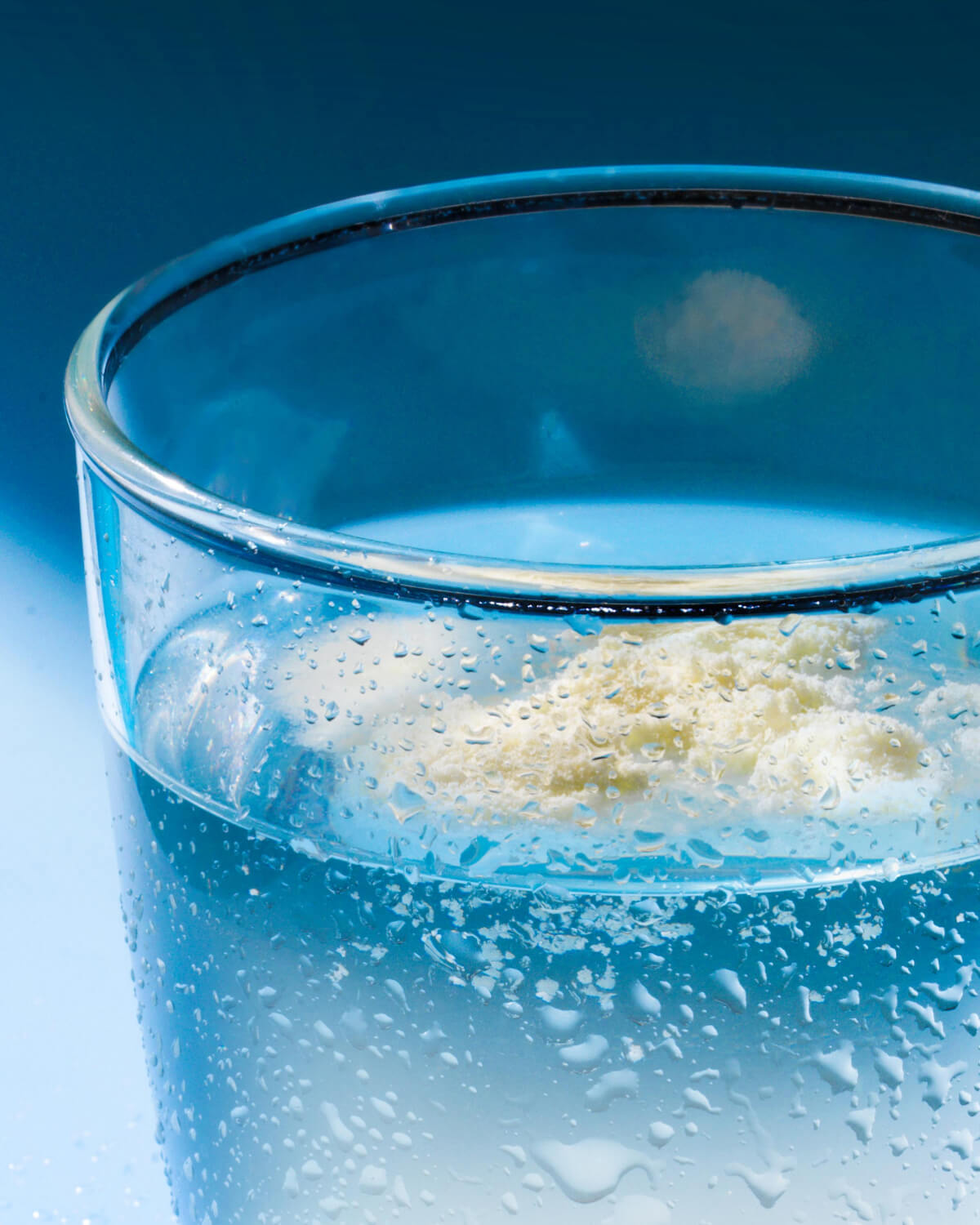
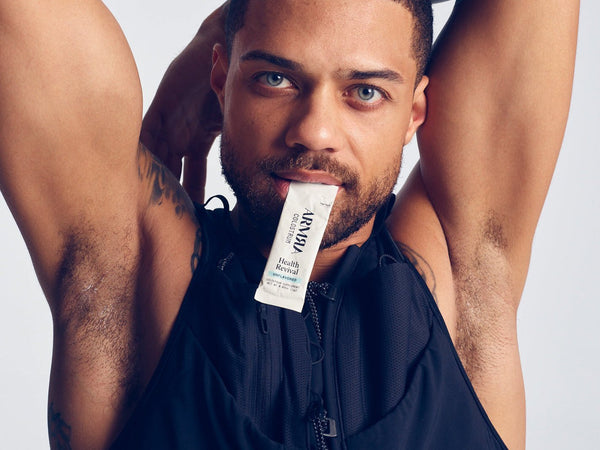
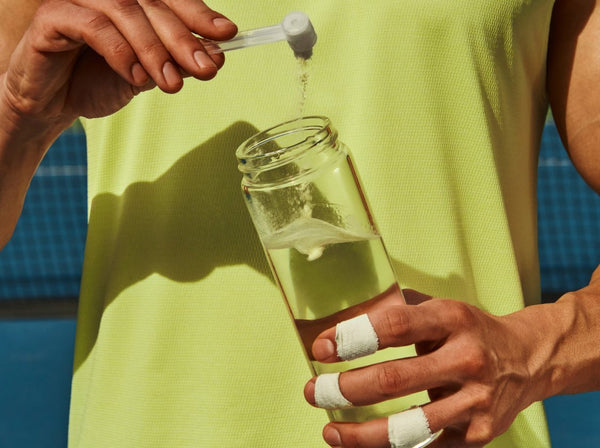
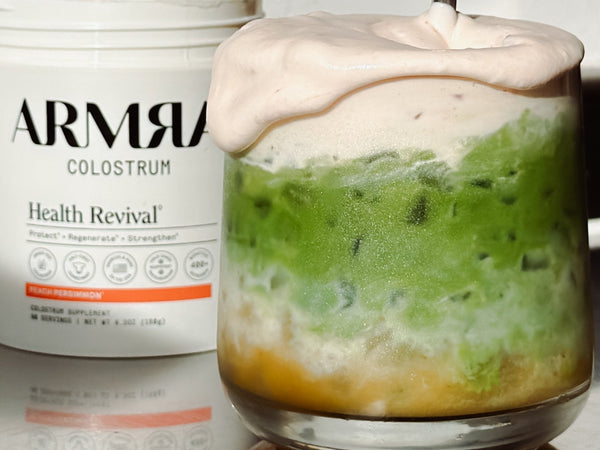
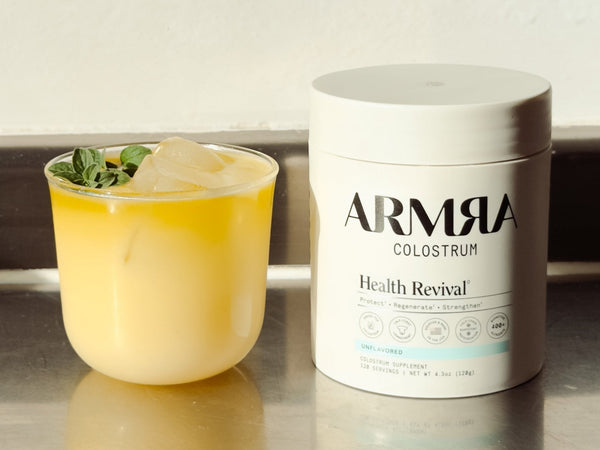
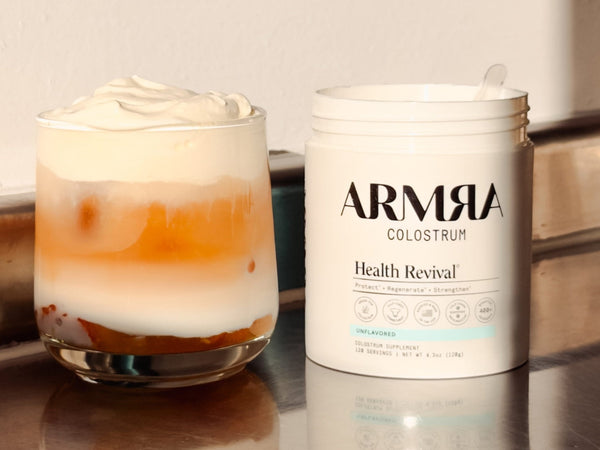
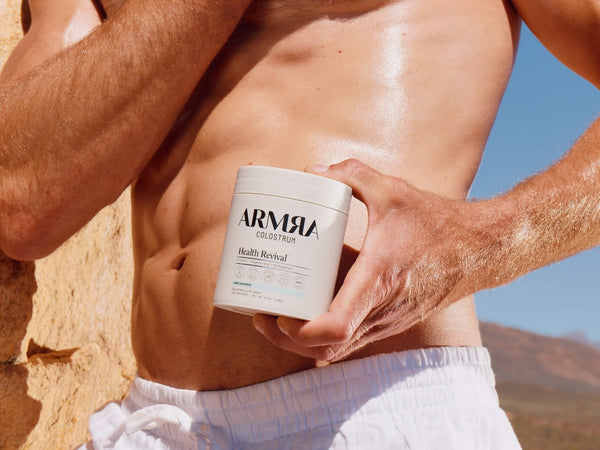
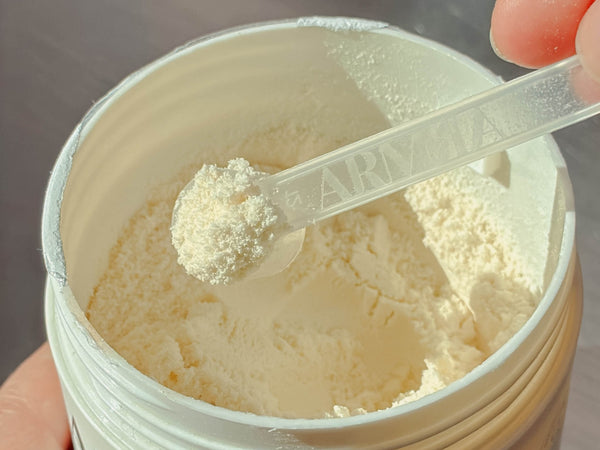
5. Take colostrum daily
Four-plus daily scoops support:
- Epithelial turnover signaling
- Mucosal hydration
- Tight junction integrity
Pair with a nutrient-dense meal to supply the raw materials your barriers rely on.
6. Support your gut–skin axis daily
The gut microbiome influences skin barrier signaling.
Support it with:
- Fiber diversity (cooked mushrooms, carrots, greens, roots)
- Fermented foods if tolerated
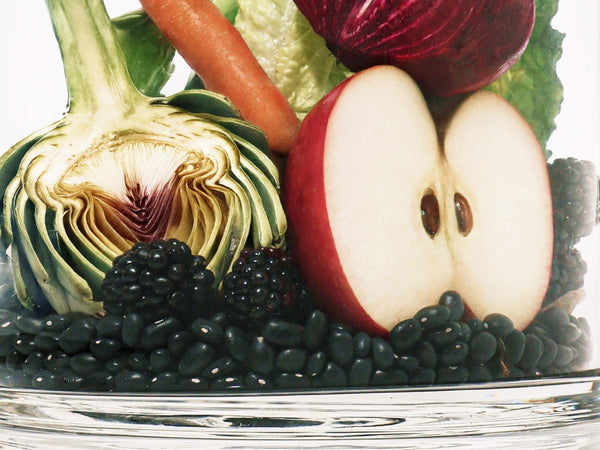
- Polyphenol-rich foods (berries, cacao, olive oil)
The path back to that hydrated glow isn’t just something topical. It’s biological. Start with circadian alignment, humidity control, hydration intelligence, and a daily colostrum routine.
Colostrum supports winter barrier physiology
Colostrum is a whole-food source of bioactive nutrients that works with your biology, not just on the surface, to help support barrier strength from within.
How it aligns with winter physiology:
1. Growth-supportive factors → renewal signaling
Colostrum naturally contains growth-supportive molecules, including IGF-1 and EGF, which are involved in normal epithelial turnover and cellular communication. This supports healthy renewal rhythms during winter, when environmental cues shift.
2. Tight junction integrity → stable hydration flow
Bioactive peptides and signaling molecules in colostrum help maintain tight junction organization, supporting a more stable hydration gradient and supporting healthy barrier selectivity.
3. Mucosal barrier resilience → surface luminosity
Colostrum supports mucosal barrier integrity, which influences:
- hydration distribution
- epithelial cohesion
- microbiome balance
When this internal system is supported, the skin surface reflects more moisture, smoothness, and light.
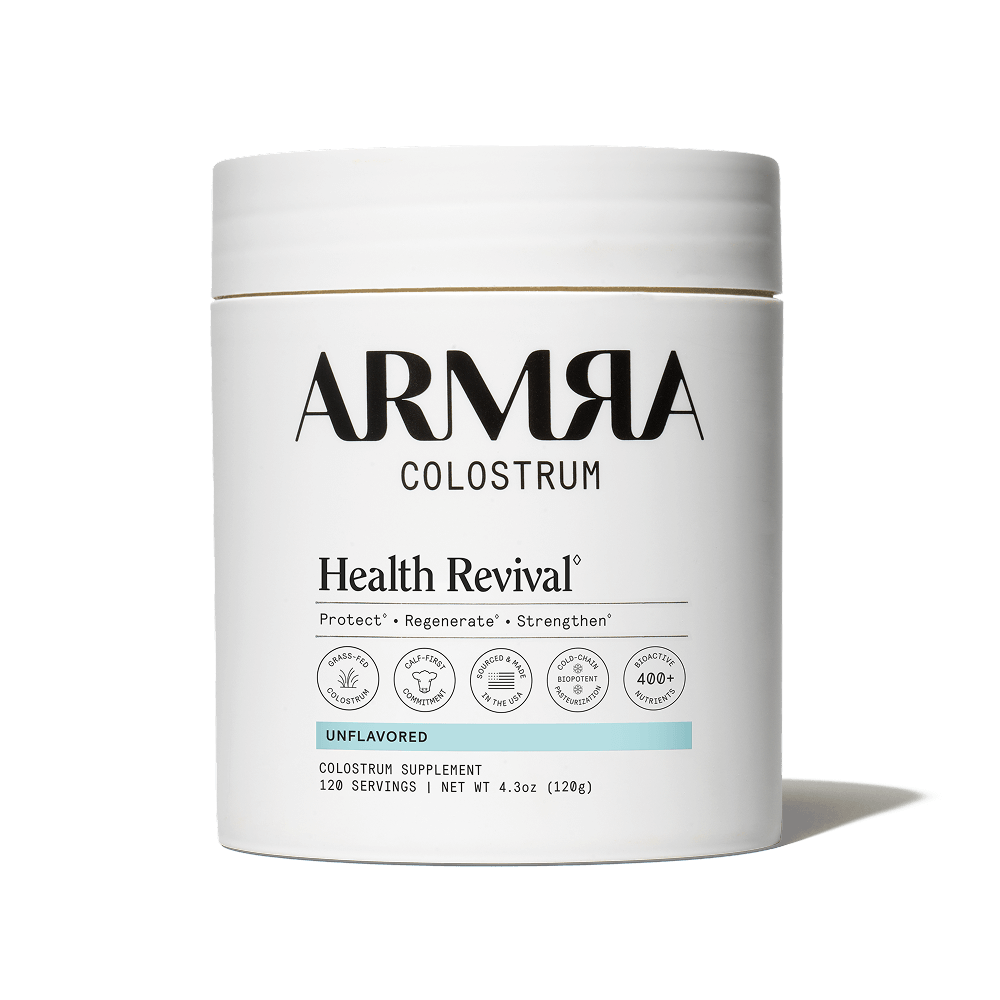
ARMRA Colostrum Unflavored Jar
ARMRA Colostrum Blood Orange Jar
ARMRA Colostrum Vine Watermelon Jar
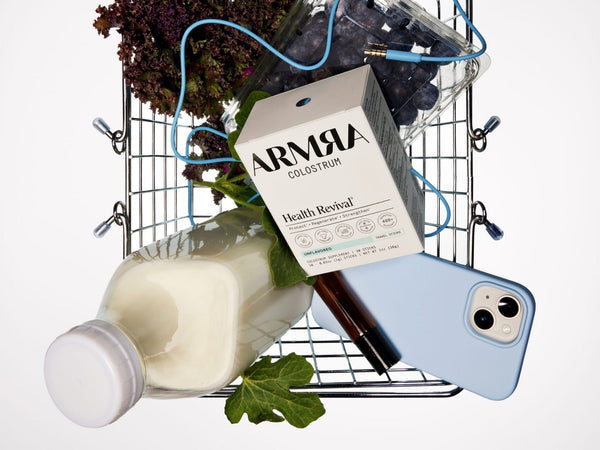
ARMRA Colostrum Revitalizer Bundle
Disclaimers
This content is for educational purposes only and reflects general nutrition science, not product-specific claims. The presence of these bioactives in ARMRA Colostrum™ does not imply that the product provides the health benefits described.