What no one tells you about love
Love doesn’t just live in your thoughts. It lives in your nervous system, in your sleep, your digestion, your recovery.
Oxytocin is the hormone we associate with bonding. It’s produced in the brain, but the conditions that shape oxytocin release are larger than romance: safety cues, touch, trust, and nervous-system tone. And that’s where the gut–brain axis enters the conversation.
Gut-derived signals don't produce oxytocin directly, but they can appear to influence oxytocin pathways indirectly, through vagal tone and modulation of the HPA axis, the body's central stress response system.
The vagus nerve is one of the main communication lines between your gut and your brain. It carries sensory information “upward” from the body, and regulatory signals “downward” from the brain.
Your microbiome doesn’t “create love.” But gut-derived signals can influence stress reactivity and mood-related chemistry, factors that change how connection feels in the body.
When you feel securely connected, your physiology often downshifts. Stress hormones can settle. Sleep architecture can stabilize. Inflammatory signaling may become less threat-biased. You become more resilient, not because love is magic, but because your body stops bracing for impact.
And this is why heartbreak isn’t just poetic.
Social rejection and loss can recruit overlapping brain networks involved in processing subjective distress, the same regions (anterior cingulate, anterior insula) that light up during physical pain. It's not literal pain, but affective pain: the brain's alarm system responding to emotional threat. Cortisol can rise. Sleep can fragment. Appetite can change. Stress can increase inflammatory activity in some contexts. The body experiences loss as a threat to coherence.
When connection is missing, the body can shift into a more defensive posture.

The part we get wrong
We treat love like it’s purely emotional, like it’s free. But love is also a biological state that requires foundation.

Self-compassion is one of the most underestimated physiological regulators we have. The way you speak to yourself changes what your body expects next: more threat, or more safety. In research, higher self-compassion has been associated with better well-being and healthier stress patterns, including diurnal cortisol rhythms and more adaptive cortisol patterns throughout the day, which can signal better stress recovery.
Your body responds to your inner environment in the same language it responds to the outer one: signals. Signals of safety. Signals of threat. Signals of support.
This is why sustainable devotion, to yourself or anyone else, often rests on basics that don’t sound romantic, but are:
- A supported gut barrier (a major interface for immune signaling)
- A nervous system with capacity (not just “calm,” but recovery)
- A more regulated inflammatory signature (how your body processes stress)
- Clear biological recognition (signals your body can interpret as safe)
When those are intact, you can love without depleting. Connection becomes resilient, not costly.

What you can do
Support the axis.
Start with signals that teach your biology “you’re safe”: consistent sleep, real food, daylight, movement, and fewer inputs that keep the nervous system on alert.
And yes, support the barrier systems that carry those signals.
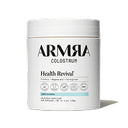
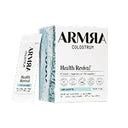
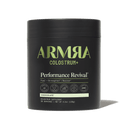
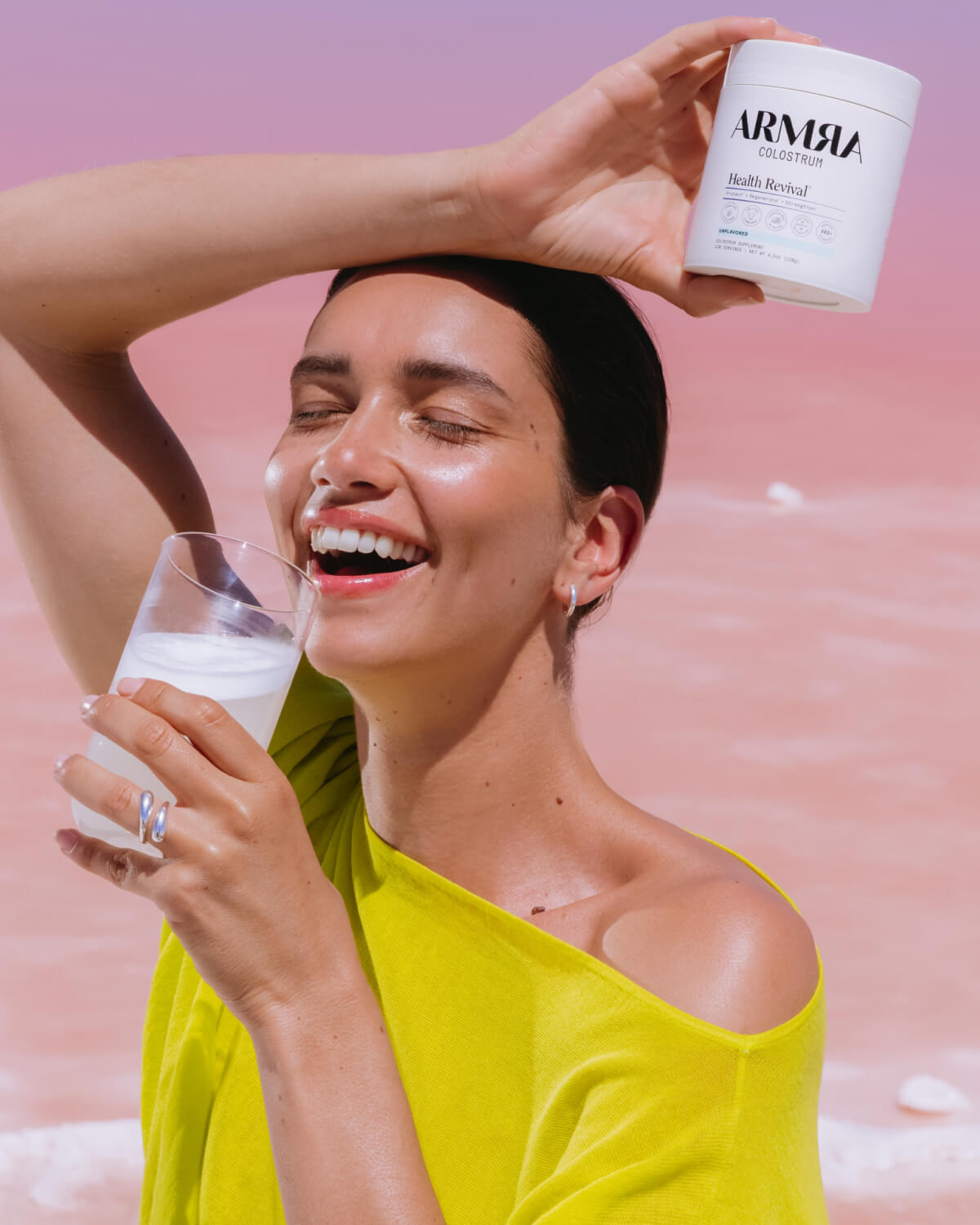
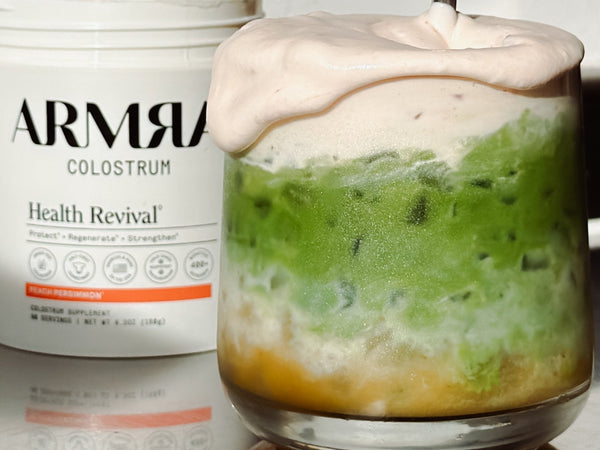
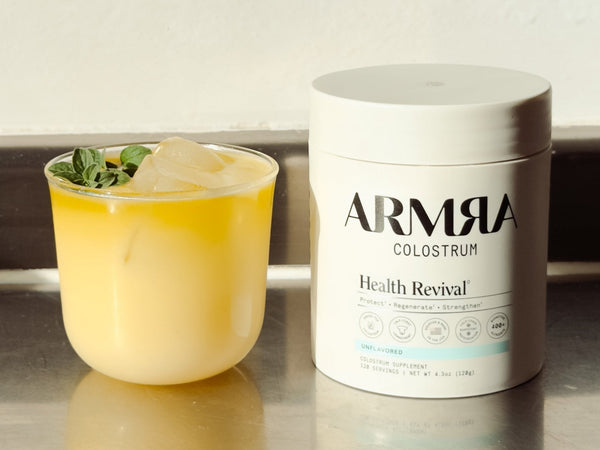
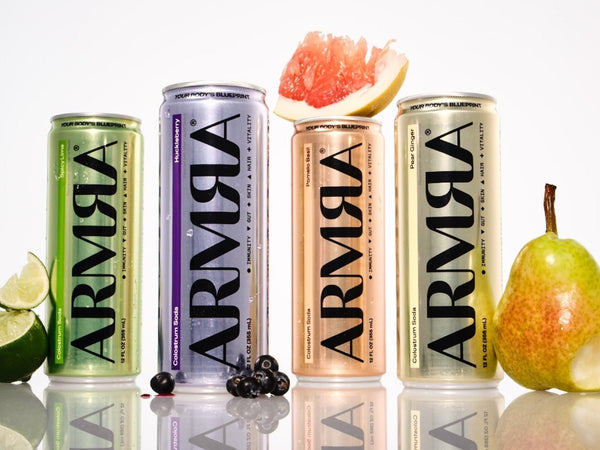
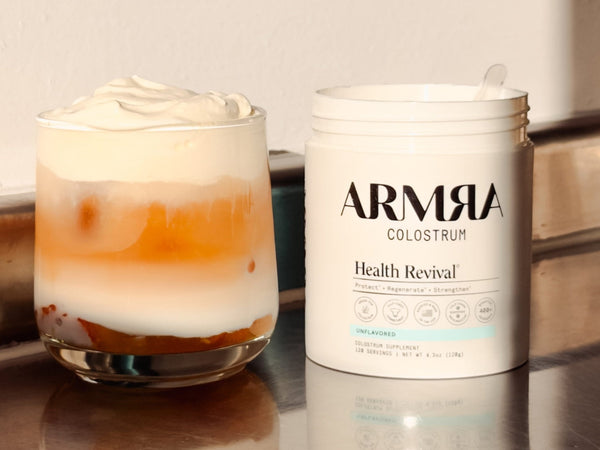
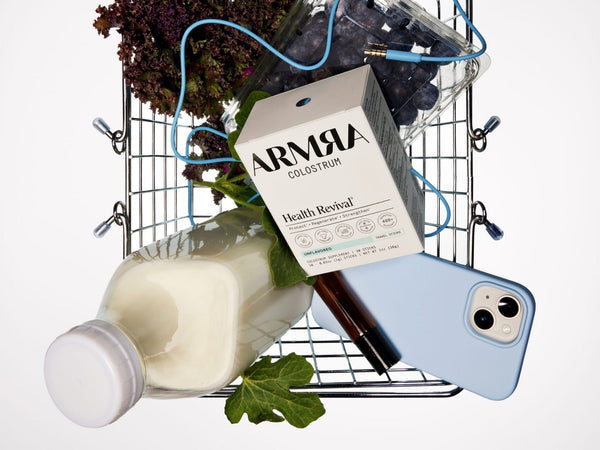
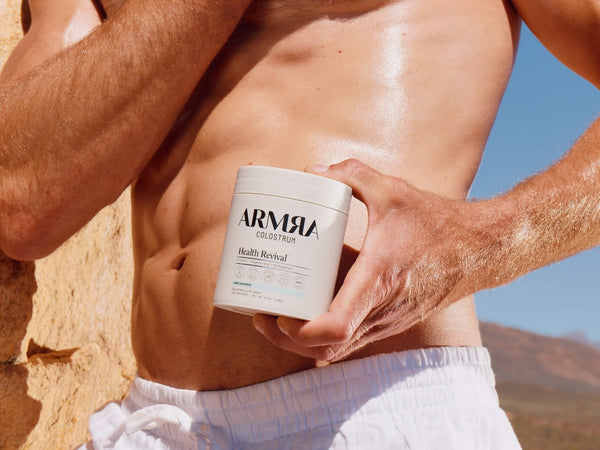
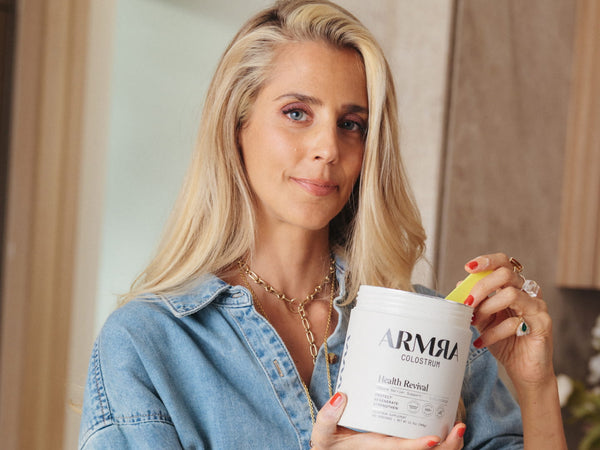
Colostrum contains bioactive components that have been studied for their potential role in supporting the gut barrier and normal immune function. ARMRA Colostrum™ is a daily routine to support those foundational systems, especially during high-demand seasons.

Fast fact for your next dinner party
Being left on read doesn’t just feel like it hurts, social rejection can recruit overlapping brain networks involved in the distress of physical pain (think anterior cingulate + anterior insula). In other words: your brain has an alarm system, and it doesn’t care if the threat is a broken bone or a broken heart.
Read deeper:
- Gut bacteria and intestinal oxytocin signaling (Baylor, 2023)
- Loneliness and inflammatory responsiveness in healthy young adults (Brain, Behavior, and Immunity, 2019)
- Self-compassion and cortisol profiles (Mindfulness, 2024)
And something a bit more poetic:
- Kahlil Gibran — On Love (The Prophet)
Sarah Rahal, MD
ARMRA® Founder & CEO
ARMRA Colostrum Unflavored Jar
ARMRA Colostrum Blood Orange Jar
ARMRA Colostrum Vine Watermelon Jar
ARMRA Colostrum Revitalizer Bundle
Disclaimers
This content is for educational purposes only and reflects general nutrition science, not product-specific claims. The presence of these bioactives in ARMRA Colostrum™ does not imply that the product provides the health benefits described.